 Him Phannary
2026-06-19 08:21:46
Him Phannary
2026-06-19 08:21:46 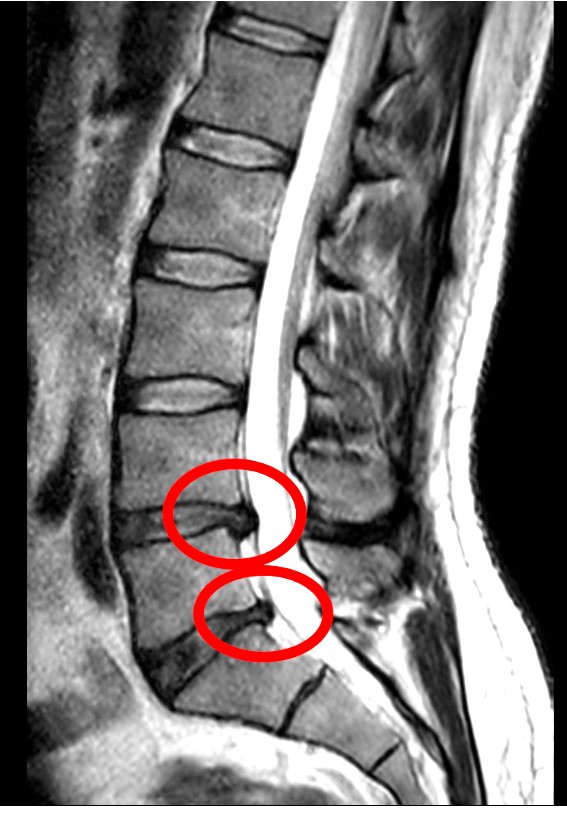
សភាពខ្លនឌីស
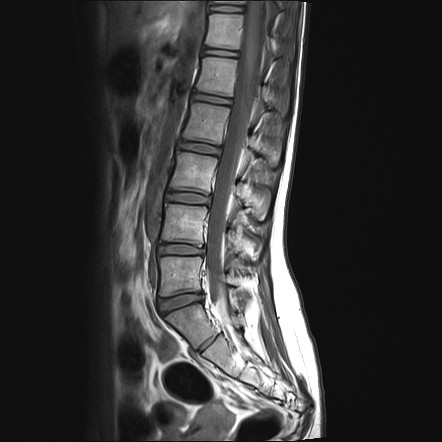
MIR Normal disk
តើអាការៈលៀនឌីជាអ្វី?
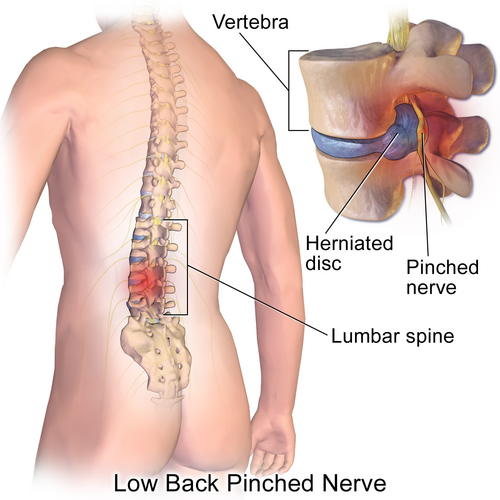
ឌីសដែលរមួលចេញកើតឡើងនៅពេលដែលឌីសមួយនៅក្នុងឆ្អឹងខ្នងរបស់អ្នក (ឆ្អឹងខ្នង) រហែក ឬលេចធ្លាយដោយសារតែការសឹក និងរហែកធម្មជាតិ ឬរបួស។ នេះដាក់សម្ពាធលើខួរឆ្អឹងខ្នងរបស់អ្នក និងធ្វើឱ្យសរសៃប្រសាទឆ្អឹងខ្នងរបស់អ្នករលាក ដែលនាំឱ្យមានការឈឺចាប់ ស្ពឹក និងខ្សោយ។
អ្នកមានឆ្អឹង (ឆ្អឹងខ្នង) មួយចំនួននៅក្នុងឆ្អឹងខ្នងរបស់អ្នក ដែលលាតសន្ធឹងពីគល់លលាដ៍ក្បាលរបស់អ្នកទៅឆ្អឹងកន្ទុយរបស់អ្នក។ នៅចន្លោះឆ្អឹងកងខ្នងរបស់អ្នកមានខ្នើយមូលហៅថាឌីស។ ឌីសទាំងនេះដើរតួជាទ្រនាប់រវាងឆ្អឹងរបស់អ្នក ដែលអនុញ្ញាតឱ្យអ្នកពត់ និងធ្វើចលនាបានយ៉ាងងាយស្រួល។ យូរៗទៅ ឌីសកាន់តែមានប្រសិទ្ធភាពតិច ហើយអាចនឹងផ្លាស់ទីលំនៅ។ នៅពេលដែលរឿងនេះកើតឡើង វាត្រូវបានគេហៅថា ឌីសដែលរលុង។
ឈ្មោះផ្សេងទៀតសម្រាប់ឌីសដែលរលុងរួមមាន៖
- ឌីសហើម។
- ឌីសរអិល។
- ឌីសដាច់។
- ឌីសដែលលេចចេញ។
ជារៀងរាល់ឆ្នាំ មនុស្សជាង 3 លាននាក់នៅសហរដ្ឋអាមេរិកមានឌីសដែលរលុង។ ឌីសដែលរលុងគឺជាមូលហេតុចម្បងនៃការឈឺក ខ្នង និងជើង។ វាអាចកើតឡើងគ្រប់ទីកន្លែងតាមបណ្តោយឆ្អឹងខ្នងរបស់អ្នក ប៉ុន្តែភាគច្រើនវាកើតឡើងនៅផ្នែកខាងក្រោមខ្នងរបស់អ្នក (ឆ្អឹងខ្នងចង្កេះ) ឬករបស់អ្នក (ឆ្អឹងខ្នងមាត់ស្បូន)។ វាកម្រណាស់ដែលឌីសដែលរលុងស្ថិតនៅក្នុងខ្នងផ្នែកខាងលើទៅកណ្តាលរបស់អ្នក (ឆ្អឹងខ្នងទ្រូង)។
ប្រសិនបើអ្នកធ្លាប់ជួបប្រទះនឹងឌីសរអិល អ្នកដឹងថាការឈឺចាប់អាចធ្ងន់ធ្ងរ។ ដំណឹងល្អគឺថាករណីភាគច្រើនបាត់ទៅវិញដោយខ្លួនឯងដោយមិនចាំបាច់វះកាត់។ ប្រសិនបើអ្នកមានរោគសញ្ញាអស់រយៈពេលជាងពីរបីសប្តាហ៍ សូមទាក់ទងអ្នកផ្តល់សេវាថែទាំសុខភាព។ ពួកគេអាចពន្យល់ពីជម្រើសនៃការព្យាបាលរបស់អ្នក និងជួយអ្នកឱ្យរីករាយនឹងសកម្មភាពដែលអ្នកចូលចិត្តឡើងវិញ។
រោគសញ្ញា និងមូលហេតុ
តើឌីសហើមមានអារម្មណ៍យ៉ាងណា?
រោគសញ្ញាឌីសក្លនលូនប្រែប្រួលអាស្រ័យលើកន្លែងដែលបញ្ហាស្ថិតនៅឆ្អឹងខ្នងរបស់អ្នក។ ទោះបីជាការឈឺចាប់ជារោគសញ្ញាទូទៅនៅទូទាំងខ្នងរបស់អ្នកក៏ដោយ ទីតាំងនៃឌីសរអិលអាចនាំឱ្យមានរោគសញ្ញាផ្សេងទៀត។
រោគសញ្ញានៃឌីសក្លនលូននៅផ្នែកខាងក្រោមខ្នងរបស់អ្នក (ឌីសចង្កេះក្លនលូន)
វាជារឿងធម្មតាទេដែលឌីសក្លនលូននៅផ្នែកខាងក្រោមខ្នងរបស់អ្នកបណ្តាលឱ្យមានការឈឺចាប់ "សរសៃប្រសាទ sciatic" (sciatica)។ ការឈឺចាប់ខ្លាំងនេះជាធម្មតារាលដាលចុះមកម្ខាងនៃគូទរបស់អ្នកចូលទៅក្នុងជើងរបស់អ្នក និងជួនកាលជើងរបស់អ្នក។ រោគសញ្ញាផ្សេងទៀតនៃឌីសរអិលនៅផ្នែកខាងក្រោមខ្នងរបស់អ្នកអាចរួមមាន៖
- ឈឺខ្នងផ្នែកខាងក្រោម។
- ស្ពឹក ឬស្ពឹកនៅជើង និង/ឬជើងរបស់អ្នក។
- ខ្សោយសាច់ដុំ។
រោគសញ្ញានៃឌីសដែលរលុងនៅករបស់អ្នក (ឌីសក្លៀកដែលរលុង)
រោគសញ្ញានៃឌីសដែលហើមនៅករបស់អ្នកអាចរួមមាន៖
- ឈឺក ជាពិសេសនៅខ្នង និងនៅសងខាងករបស់អ្នក។
- ស្ពឹក ឬស្ពឹកនៅដៃរបស់អ្នក។
- ឈឺនៅជិត ឬរវាងស្មារបស់អ្នក។
- ឈឺដែលធ្វើដំណើរទៅស្មា ដៃ និងពេលខ្លះដៃ និងម្រាមដៃរបស់អ្នក។
- ឈឺដែលកើនឡើងនៅពេលពត់ ឬងាកករបស់អ្នក។
អ្វីដែលបណ្តាលឱ្យ ឌីសហើម?
ឌីសនីមួយៗនៅក្នុងឆ្អឹងខ្នងរបស់អ្នកមានចំណុចកណ្តាលទន់ដូចជែល និងស្រទាប់ខាងក្រៅរឹងជាងមុន ដូចជានំដូណាត់ចាហួយ។ យូរៗទៅ ស្រទាប់ខាងក្រៅចុះខ្សោយ ហើយអាចប្រេះ។ ឌីសដែលរលុងកើតឡើងនៅពេលដែលសារធាតុ "ចាហួយ" ខាងក្នុងរុញតាមស្នាមប្រេះ ហើយសង្កត់លើខួរឆ្អឹងខ្នងរបស់អ្នក។ សម្ភារៈដែលលេចធ្លាយអាចសង្កត់លើសរសៃប្រសាទឆ្អឹងខ្នងក្បែរនោះ ដែលបណ្តាលឱ្យមានរោគសញ្ញានៃឌីសដែលរលុង។
កត្តាជាច្រើនអាចរួមចំណែកដល់ការដាច់ឌីស។ មូលហេតុនៃឌីសដែលរលុងរួមមាន៖
- ភាពចាស់ជរា។
- របួសផ្លូវចិត្ត ដូចជាការដួល។
- ធ្វើចលនាពត់កោង ឬរមួលម្តងហើយម្តងទៀត។
- លើកវត្ថុធ្ងន់ៗមិនត្រឹមត្រូវ។
តើអ្វីទៅជាកត្តាហានិភ័យសម្រាប់ឌីសរអិល?
មនុស្សដែលមានអាយុពី 30 ទៅ 50 ឆ្នាំទំនងជាកើតឌីសដែលរលុង។ បញ្ហានេះប៉ះពាល់ដល់បុរសពីរដងច្រើនជាងស្ត្រី។ លើសពីនេះ ស្ថានភាពនេះច្រើនតែកើតមានក្នុងគ្រួសារ។ កត្តាហានិភ័យផ្សេងទៀតរួមមាន៖
- ការជក់បារី។
- អង្គុយរយៈពេលយូរក្នុងទីតាំងដដែល។
- ធាត់លើសទម្ងន់ ឬធាត់ជ្រុល។
- មានជំងឺទឹកនោមផ្អែម។
- មានជំងឺជាលិកាភ្ជាប់។
ការធ្វើរោគវិនិច្ឆ័យ និងការធ្វើតេស្ត
តើគេធ្វើរោគវិនិច្ឆ័យឌីសក្លនលូនយ៉ាងដូចម្តេច?
អ្នកផ្តល់សេវាថែទាំសុខភាពរបស់អ្នកនឹងធ្វើការពិនិត្យរាងកាយយ៉ាងហ្មត់ចត់។ ក្នុងអំឡុងពេលពិនិត្យ អ្នកផ្តល់សេវារបស់អ្នកនឹងវាយតម្លៃការឈឺចាប់ ការឆ្លុះបញ្ចាំងសាច់ដុំ អារម្មណ៍ និងកម្លាំងសាច់ដុំរបស់អ្នក។ ពួកគេអាចធ្វើតេស្តលើកជើងត្រង់។ ជាមួយនឹងការធ្វើតេស្តនេះ អ្នកផ្តល់សេវារបស់អ្នកនឹងឱ្យអ្នកដេកផ្ងារ។ បន្ទាប់មក ពួកគេនឹងលើកជើងរបស់អ្នកឱ្យត្រង់។ ប្រសិនបើអ្នកជួបប្រទះការឈឺចាប់ណាមួយនៅជើងរបស់អ្នក អ្នកទំនងជាមានឌីសបែក។
អ្នកផ្តល់សេវារបស់អ្នកក៏អាចធ្វើការពិនិត្យសរសៃប្រសាទផងដែរ។ ពួកគេក៏អាចបញ្ជាឱ្យមានការធ្វើតេស្តរូបភាពផងដែរ រួមមាន៖
- ការស្កេនរូបភាពអនុភាពម៉ាញេទិក (MRI)។
- កាំរស្មីអ៊ិច។
- ការស្កេនថូម៉ូក្រាហ្វី (CT)។
- Myelogram។
- អេឡិចត្រូយ៉ូក្រាម (EMG)។
- ការសិក្សាអំពីចរន្តសរសៃប្រសាទ។
ការគ្រប់គ្រង និងការព្យាបាល
តើខ្ញុំអាចធ្វើអ្វីនៅផ្ទះដើម្បីបំបាត់ការឈឺចាប់ឌីសដែលរអិល?
ក្នុងករណីភាគច្រើន ការឈឺចាប់ពីឌីសរអិលនឹងបាត់ទៅវិញតាមពេលវេលា។ ដើម្បីបំបាត់ការឈឺចាប់ខណៈពេលដែលឌីសរបស់អ្នកជាសះស្បើយ អ្នកអាច៖
- សម្រាករយៈពេលមួយទៅបីថ្ងៃប្រសិនបើការឈឺចាប់ធ្ងន់ធ្ងរ។ ប៉ុន្តែវាជារឿងសំខាន់ក្នុងការជៀសវាងការសម្រាកលើគ្រែរយៈពេលយូរ ដើម្បីការពារការរឹង។
- លេបថ្នាំបំបាត់ការឈឺចាប់ដែលមិនចាំបាច់មានវេជ្ជបញ្ជា ដូចជា ibuprofen ឬ acetaminophen។
- លាបកំដៅ ឬទឹកកកលើកន្លែងដែលរងផលប៉ះពាល់។
តើការព្យាបាលសម្រាប់ឌីសក្លន?
អ្នកប្រហែលជាត្រូវការការព្យាបាលឌីសក្លនកម្រិតខ្ពស់ជាងនេះ ប្រសិនបើរោគសញ្ញារបស់អ្នកមិនប្រសើរឡើង។ អ្នកផ្តល់សេវាថែទាំសុខភាពរបស់អ្នកអាចណែនាំ៖
- ថ្នាំ៖អ្នកផ្តល់សេវារបស់អ្នកអាចចេញវេជ្ជបញ្ជាថ្នាំបំបាត់ការឈឺចាប់ប្រឆាំងនឹងការរលាក ឬថ្នាំបន្ធូរសាច់ដុំ។
- ការព្យាបាលដោយចលនា៖អ្នកព្យាបាលរាងកាយបង្រៀនអ្នកនូវកម្មវិធីហាត់ប្រាណ ដើម្បីជួយបន្ថយសម្ពាធលើសរសៃប្រសាទរបស់អ្នក។ សកម្មភាពរាងកាយធ្វើឱ្យសាច់ដុំតឹងណែន និងធ្វើឱ្យឈាមរត់បានប្រសើរឡើង។
- ការចាក់ថ្នាំឆ្អឹងខ្នង៖ ហៅថា epidural ឬ nerve block ការចាក់ឆ្អឹងខ្នងគឺជាការចាក់ថ្នាំ steroid ដោយផ្ទាល់ទៅក្នុងឆ្អឹងខ្នងរបស់អ្នក។
តើខ្ញុំអាចត្រូវការវះកាត់ឌីស herniated នៅពេលណា?
ឌីស herniated ប្រសើរឡើងដោយខ្លួនឯង ឬជាមួយនឹងការព្យាបាលដោយមិនចាំបាច់វះកាត់សម្រាប់មនុស្ស 9 នាក់ក្នុងចំណោម 10 នាក់។ ប្រសិនបើការព្យាបាលផ្សេងទៀតមិនបំបាត់រោគសញ្ញារបស់អ្នកទេ អ្នកផ្តល់សេវាថែទាំសុខភាពរបស់អ្នកអាចណែនាំការវះកាត់។ មានបច្ចេកទេសវះកាត់ច្រើនសម្រាប់បន្ថយសម្ពាធលើខួរឆ្អឹងខ្នង និងសរសៃប្រសាទរបស់អ្នក។
ក្នុងករណីកម្រ ឌីសដែលរហែកធំអាចធ្វើឱ្យសរសៃប្រសាទទៅប្លោកនោម ឬពោះវៀនរបស់អ្នករងរបួស។ នោះអាចត្រូវការការវះកាត់បន្ទាន់។ សម្រាប់ករណីមិនមែនបន្ទាន់ ការវះកាត់ឌីស herniated គឺជាជម្រើសមួយនៅពេលដែលការព្យាបាលផ្សេងទៀតមិនដំណើរការ។ មានវិធីផ្សេងៗគ្នាដើម្បីធ្វើការវះកាត់បន្ធូរសម្ពាធឆ្អឹងខ្នង ប៉ុន្តែគោលដៅគឺដើម្បីបន្ថយសម្ពាធលើសរសៃប្រសាទរបស់អ្នក។
នីតិវិធីទូទៅបំផុតត្រូវបានគេហៅថា microdiskectomy។ ជាមួយនឹងការវះកាត់ឆ្អឹងខ្នងដែលមានការឈ្លានពានតិចតួចបំផុតនេះ អ្នកផ្តល់សេវារបស់អ្នកនឹងធ្វើការកាត់តូចមួយ (ស្នាមវះ) តាមរយៈស្បែកនៅជិតឌីសដែលរអិល។ ពួកគេនឹងបញ្ចូលមីក្រូទស្សន៍ និងឧបករណ៍តូចៗតាមរយៈស្នាមវះដើម្បីយកផ្នែកដែលលៀនចេញពីឌីសចេញ។
ជម្រើសព្យាបាលវះកាត់ផ្សេងទៀតរួមមាន៖
- ការវះកាត់ឌីស។
- ការវះកាត់ Laminotomy។
- ការវះកាត់ Laminectomy។
- ការវះកាត់ឌីសសិប្បនិម្មិត។
- ការបញ្ចូលគ្នានៃឆ្អឹងខ្នង។
ទស្សនវិស័យ / ការព្យាករណ៍
តើត្រូវចំណាយពេលប៉ុន្មានដើម្បីជាសះស្បើយពីឌីសដែលលៀន?
សម្រាប់មនុស្សភាគច្រើន ការឈឺចាប់ឌីសដែលលៀននឹងប្រសើរឡើងដោយខ្លួនឯង ឬជាមួយនឹងការថែទាំសុខភាពសាមញ្ញ។ អ្នកប្រហែលជានឹងមានអារម្មណ៍ធូរស្រាលក្នុងរយៈពេលមួយខែ។ ប្រសិនបើអ្នកមិនមានអារម្មណ៍ធូរស្រាលទេ អ្នកគួរតែទៅជួបអ្នកផ្តល់សេវាថែទាំសុខភាព។ មនុស្សមួយចំនួនត្រូវការវិធានការវេជ្ជសាស្រ្តដ៏ខ្លាំងក្លាជាងនេះ ដូចជាការចាក់បញ្ចូលឆ្អឹងខ្នង ឬការវះកាត់ឌីសរអិល។
តើឌីសរអិលនឹងកាន់តែអាក្រក់ទៅៗទេ?
ឌីសរអិលដែលមិនបានព្យាបាលអាចកាន់តែអាក្រក់ទៅៗ។ នោះជាការពិតជាពិសេស ប្រសិនបើអ្នកបន្តសកម្មភាពដែលបណ្តាលឱ្យវា - ឧទាហរណ៍ ប្រសិនបើវាវិវឌ្ឍដោយសារតែការងាររបស់អ្នក។ ឌីសដែលរហែកកាន់តែអាក្រក់ទៅៗអាចបណ្តាលឱ្យមានការឈឺចាប់រ៉ាំរ៉ៃ (ជាបន្តបន្ទាប់) និងបាត់បង់ការគ្រប់គ្រង ឬអារម្មណ៍នៅក្នុងតំបន់ដែលរងផលប៉ះពាល់។ សូមទៅជួបអ្នកផ្តល់សេវាថែទាំសុខភាព ប្រសិនបើអ្នកនៅតែមានរោគសញ្ញាបន្ទាប់ពីការថែទាំអភិរក្សរយៈពេលបួនទៅប្រាំមួយសប្តាហ៍។
ការបង្ការ
តើខ្ញុំអាចជៀសវាងការកើតឌីសរអិលដោយរបៀបណា?
វាមិនតែងតែអាចធ្វើទៅបានទេក្នុងការការពារឌីសហើម។ ប៉ុន្តែអ្នកអាចកាត់បន្ថយហានិភ័យរបស់អ្នកដោយ៖
- ការប្រើប្រាស់បច្ចេកទេសលើកត្រឹមត្រូវ។កុំពត់ខ្លួននៅចង្កេះ។ ពត់ជង្គង់របស់អ្នក ខណៈពេលរក្សាខ្នងរបស់អ្នកឱ្យត្រង់។ ប្រើសាច់ដុំជើងដ៏រឹងមាំរបស់អ្នក ដើម្បីជួយទ្រទ្រង់បន្ទុក។
- រក្សាទម្ងន់ដែលមានសុខភាពល្អសម្រាប់អ្នក។ ទម្ងន់លើសដាក់សម្ពាធលើខ្នងផ្នែកខាងក្រោមរបស់អ្នក។
- អនុវត្តឥរិយាបថល្អ។ រៀនពីរបៀបកែលម្អឥរិយាបថរបស់អ្នកនៅពេលអ្នកដើរ អង្គុយ ឈរ និងគេង។ ឥរិយាបថល្អជួយកាត់បន្ថយភាពតានតឹងលើឆ្អឹងខ្នងរបស់អ្នក។
- ការលាតសន្ធឹង។វាមានសារៈសំខាន់ជាពិសេសក្នុងការសម្រាកពីការលាតសន្ធឹងប្រសិនបើអ្នកអង្គុយយូរជាញឹកញាប់។
- ការជៀសវាងការពាក់ស្បែកជើងកែងខ្ពស់។ស្បែកជើងប្រភេទនេះធ្វើឱ្យឆ្អឹងខ្នងរបស់អ្នកមិនត្រង់។
- ការធ្វើសកម្មភាពរាងកាយជាប្រចាំ។ផ្តោតលើការហាត់ប្រាណដែលពង្រឹងសាច់ដុំខ្នង និងពោះរបស់អ្នកដើម្បីជួយទ្រទ្រង់ឆ្អឹងខ្នងរបស់អ្នក។
- ការឈប់ជក់បារី។ការជក់បារីអាចធ្វើឱ្យឌីសចុះខ្សោយ ធ្វើឱ្យវាងាយនឹងបាក់។ សូមពិចារណាឈប់ជក់បារី។
What is a herniated disk?
A herniated disk occurs when one of the disks in your spine (backbone) tears or leaks due to natural wear and tear or injury. This puts pressure on your spinal cord and irritates your spinal nerves, leading to pain, numbness and weakness.
You have a series of bones (vertebrae) in your spine, stretching from the base of your skull to your tailbone. Between your vertebrae are round cushions called disks. The disks act as buffers between your bones, allowing you to bend and move with ease. Over time, the disks become less effective and may become displaced. When this occurs, it’s called a herniated disk.
Other names for a herniated disk include:
- Bulging disk.
- Slipped disk.
- Ruptured disk.
- Protruding disk.
Every year, more than 3 million people in the U.S. get a herniated disk. Bulging disks are a leading cause of neck, back and leg pain. They can happen anywhere along your spine, but they most often occur in your lower back (lumber spine) or your neck (cervical spine). It’s rare for a herniated disk to be in your upper-to-mid back (thoracic spine).
If you’ve experienced a slipped disk, you know the pain can be severe. The good news is that most cases resolve on their own without the need for surgical treatment. If you’ve had symptoms for more than a few weeks, reach out to a healthcare provider. They can explain your treatment options and get you back to enjoying the activities that you love.
Symptoms and Causes
What does a bulging disk feel like?
Herniated disk symptoms vary depending on where the problem is in your spine. Although pain is a common symptom throughout your back, the location of the slipped disk may lead to other symptoms.
Symptoms of a herniated disk in your lower back (herniated lumbar disk)
It’s common for a herniated disk in your lower back to cause “sciatic nerve” pain (sciatica). This sharp pain usually shoots down one side of your buttocks into your leg and sometimes your foot. Other symptoms of a slipped disk in your lower back may include:
- Lower back pain.
- Tingling or numbness in your legs and/or feet.
- Muscle weakness.
Symptoms of a herniated disk in your neck (herniated cervical disk)
Symptoms of a bulging disk in your neck may include:
- Neck pain, especially in the back and on the sides of your neck.
- Numbness or tingling in your arms.
- Pain near or between your shoulder blades.
- Pain that travels to your shoulder, arm and sometimes your hand and fingers.
- Pain that increases when bending or turning your neck.
What causes a bulging disk?
Each disk in your spine has a soft, gel-like center and a firmer outer layer, kind of like a jelly doughnut. With time, the outer layer weakens and can crack. A herniated disk happens when the inner “jelly” substance pushes through the crack and presses on your spinal cord. The leaked material may press on nearby spinal nerves, causing the symptoms of a herniated disk.
Several factors can contribute to a disk rupture. Herniated disk causes include:
- Aging.
- Traumatic injuries, like falls.
- Performing repetitive bending or twisting motions.
- Improper lifting of heavy objects.
What are the risk factors for a slipped disk?
People ages 30 to 50 are most likely to get a herniated disk. The problem affects men twice as often women. In addition, the condition tends to run in families. Other risk factors include:
- Smoking.
- Sitting for long periods in the same position.
- Having overweight or obesity.
- Having diabetes.
- Having a connective tissue disorder.
Diagnosis and Tests
How is a herniated disk diagnosed?
Your healthcare provider will do a thorough physical exam. During the exam, your provider will assess your pain, muscle reflexes, sensation and muscle strength. They may perform a straight leg raise test. With this test, your provider will have you lie on your back. Then, they’ll raise your leg straight in the air. If you experience any pain down your leg, you likely have a ruptured disk.
Your provider may also perform a neurological exam. They may also order imaging tests, including:
- Magnetic resonance imaging (MRI) scan.
- X-rays.
- Computed tomography (CT) scan.
- Myelogram.
- Electromyogram (EMG).
- Nerve conduction study.
Management and Treatment
What can I do at home to relieve herniated disk pain?
In most cases, pain from a slipped disk goes away in time. To ease pain while your disk heals, you can:
- Rest for one to three days if the pain is severe. But it’s important to avoid long periods of bed rest to prevent stiffness.
- Take an over-the-counter pain reliever, like ibuprofen or acetaminophen.
- Apply heat or ice to the affected area.
What is the treatment for a herniated disk?
You may need more advanced herniated disk treatment if your symptoms aren't getting better. Your healthcare provider might recommend:
- Medication: Your provider may prescribe an anti-inflammatory pain reliever or muscle relaxant.
- Physical therapy: A physical therapist teaches you a fitness program to help relieve pressure on your nerves. Physical activity loosens tight muscles and improves circulation.
- Spinal injections: Called an epidural or nerve block, a spinal injection is a shot of steroid medication directly into your spine.
When might I need herniated disk surgery?
Herniated disks get better on their own or with nonsurgical treatment for 9 out of 10 people. If other treatments don’t relieve your symptoms, your healthcare provider may recommend surgery. There are multiple surgical techniques for relieving pressure on your spinal cord and nerves.
In rare cases, a large ruptured disk might injure nerves to your bladder or bowel. That may require emergency surgery. For non-emergency cases, herniated disk surgery is an option when other treatments don’t work. There are various ways to perform spinal decompression surgery, but the goal is to relieve pressure on your nerves.
The most common procedure is called a microdiskectomy. With this minimally invasive spine surgery, your provider will make a small cut (incision) through the skin near the slipped disk. They’ll insert a microscope and small tools through the incision to remove the herniated part of the disk.
Other surgical treatment options include:
- Diskectomy.
- Laminotomy.
- Laminectomy.
- Artificial disk surgery.
- Spinal fusion.
Outlook / Prognosis
How long does it take to recover from a herniated disk?
For the majority of people, herniated disk pain gets better on its own or with simple medical care. You’ll probably feel better within a month. If you don’t, you should see a healthcare provider. Some people need more aggressive medical measures, like spinal injections or herniated disk surgery.
Will a slipped disk get worse?
An untreated herniated disk can get worse. That’s especially true if you continue the activities that caused it — for instance, if it developed because of your work. A worsening ruptured disk may cause chronic (ongoing) pain and loss of control or sensation in the affected area. See a healthcare provider if you still have symptoms after four to six weeks of conservative care.
Prevention
How can I avoid getting a herniated disk?
It’s not always possible to prevent a bulging disk. But you can reduce your risk by:
- Using proper lifting techniques. Don’t bend at the waist. Bend your knees while keeping your back straight. Use your strong leg muscles to help support the load.
- Maintaining a healthy weight for you. Excess weight puts pressure on your lower back.
- Practicing good posture. Learn how to improve your posture when you walk, sit, stand and sleep. Good posture reduces strain on your spine.
- Stretching. It’s especially important to take stretching breaks if you often sit for long periods.
- Avoiding wearing high-heeled shoes. This type of shoe throws your spine out of alignment.
- Getting regular physical activity. Focus on workouts that strengthen your back and abdomen muscles to help support your spine.
- Stopping smoking. Smoking can weaken disks, making them vulnerable to rupture. Consider quitting smoking.