 Him Phannary
2025-08-29 17:51:39
Him Phannary
2025-08-29 17:51:39 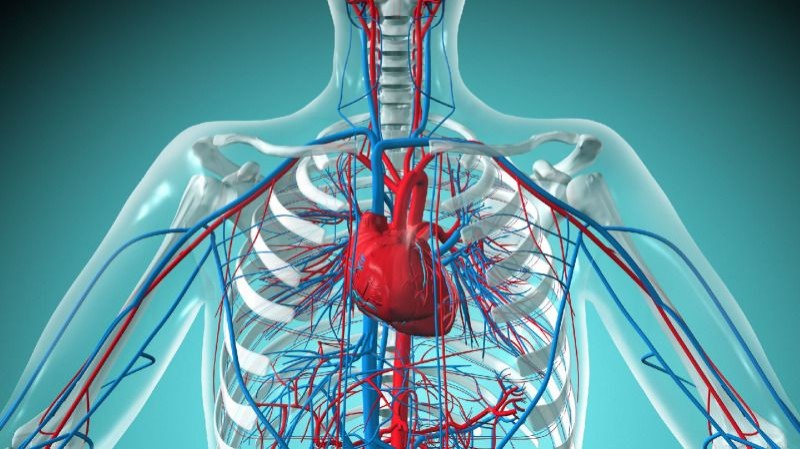
ប្រដាប់ឈាមរត់នៃខ្លួនមនុស្ស
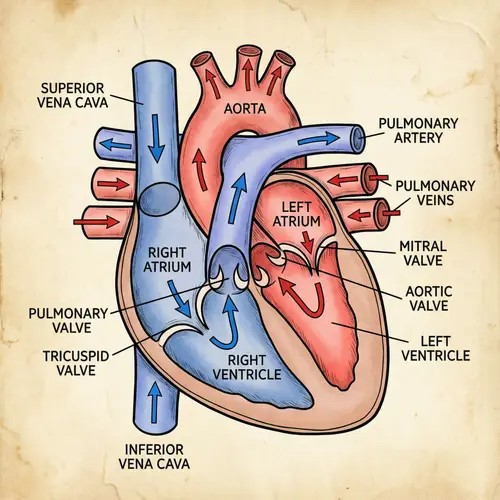
រូបភាពបេះដូង
ប្រវត្តិនៃជំងឺលើសឈាម (ជំងឺលើសឈាម) មានរយៈពេលជាច្រើនសតវត្សមកហើយ។
-
១៧៣៣ – ការវាស់សម្ពាធឈាមលើកដំបូង
បព្វជិត និងអ្នកវិទ្យាសាស្ត្រជនជាតិអង់គ្លេស ស្ទីហ្វិន ហេលស៍ គឺជាមនុស្សដំបូងគេដែលវាស់សម្ពាធឈាមដោយពិសោធន៍។ គាត់បានបញ្ចូលបំពង់កែវចូលទៅក្នុងសរសៃឈាមរបស់សេះ ហើយសង្កេតមើលថាតើឈាមឡើងខ្ពស់ប៉ុណ្ណានៅក្នុងបំពង់។ នេះបានសម្គាល់ការចាប់ផ្តើមនៃការស្រាវជ្រាវសម្ពាធឈាម។
-
១៨៩៦ – ការបង្កើតឧបករណ៍វាស់សម្ពាធឈាមទំនើប
គ្រូពេទ្យជនជាតិអ៊ីតាលី ស្ស៊ីពីយ៉ូន រីវ៉ា-រ៉ូស៊ី បានបង្កើតឧបករណ៍វាស់សម្ពាធឈាម ដែលជាឧបករណ៍វាស់សម្ពាធឈាមដែលអាចបំប៉ោងបាន ដែលប្រើសម្រាប់វាស់សម្ពាធឈាមដោយមិនវះកាត់។ នេះធ្វើឱ្យការវាស់សម្ពាធឈាមអាចអនុវត្តបានក្នុងការកំណត់គ្លីនិក។
-
១៩០៥ – សំឡេង Korotkoff
គ្រូពេទ្យវះកាត់ជនជាតិរុស្ស៊ី Nikolai Korotkoff បានពិពណ៌នាអំពីសំឡេងដែលបានឮតាមរយៈឧបករណ៍ស្តាប់សម្លេងបេះដូងអំឡុងពេលបន្ធូរសម្ពាធខ្យល់ ដែលអនុញ្ញាតឱ្យមានការវាស់វែងសម្ពាធឈាមស៊ីស្តូលិក និងឌីអាស្តូលិកបានត្រឹមត្រូវ។ បច្ចេកទេសនេះនៅតែត្រូវបានប្រើប្រាស់រហូតមកដល់សព្វថ្ងៃនេះ។
ការទទួលស្គាល់ជំងឺលើសឈាមជាជំងឺមួយ
- នៅចុងសតវត្សរ៍ទី១៩ និងដើមសតវត្សរ៍ទី២០ គ្រូពេទ្យបានទទួលស្គាល់ថា សម្ពាធឈាមខ្ពស់ជាប់លាប់ត្រូវបានផ្សារភ្ជាប់ជាមួយនឹងជំងឺតម្រងនោម ជំងឺដាច់សរសៃឈាមខួរក្បាល និងបញ្ហាបេះដូង។
- នៅទសវត្សរ៍ឆ្នាំ១៩២០-១៩៣០ ជំងឺលើសឈាមត្រូវបានគេមើលឃើញកាន់តែខ្លាំងឡើងថាជាស្ថានភាពវេជ្ជសាស្ត្រដាច់ដោយឡែកមួយជាជាងផលវិបាកធម្មតានៃភាពចាស់។
- ការព្យាបាលដោយថ្នាំដែលមានប្រសិទ្ធភាពមាននៅក្នុងទសវត្សរ៍ឆ្នាំ១៩៥០ និងឆ្នាំ១៩៦០ ដែលធ្វើអោយប្រសើរឡើងយ៉ាងខ្លាំងនូវលទ្ធផលសម្រាប់អ្នកជំងឺដែលមានជំងឺលើសឈាមធ្ងន់ធ្ងរ។
សម្ពាធឈាម និងប្រព័ន្ធឈាមរត់
ជាលិកា និងសរីរាង្គរបស់អ្នកត្រូវការឈាមដែលប្រព័ន្ធឈាមរត់របស់អ្នកដឹកឆ្លងកាត់រាងកាយ។ ចង្វាក់បេះដូងរបស់អ្នកធ្វើឱ្យរឿងនេះកើតឡើងដោយការរុញឈាមឆ្លងកាត់សរសៃឈាម។ សរសៃឈាមទាំងនេះរួមមាន សរសៃឈាមអាកទែរ សរសៃឈាមវ៉ែន និងសរសៃឈាមតូចៗ។
សម្ពាធឈាមគឺជាលទ្ធផលនៃកម្លាំងពីរ។ កម្លាំងទីមួយ (សម្ពាធស៊ីស្តូលិក) កើតឡើងនៅពេលដែលឈាមបូមចេញពីបេះដូង ហើយចូលទៅក្នុងសរសៃឈាម។ កម្លាំងទីពីរ (សម្ពាធឌីអាស្តូលិក) ត្រូវបានបង្កើតឡើងនៅពេលដែលបេះដូងសម្រាករវាងចង្វាក់បេះដូង។ កម្លាំងទាំងពីរនេះត្រូវបានតំណាងដោយលេខនៅក្នុងការអានសម្ពាធឈាម។
របៀបដែលសម្ពាធឈាមខ្ពស់អាចបំផ្លាញសរសៃឈាម និងបេះដូងរបស់អ្នក។
នៅពេលដែលសម្ពាធឈាមខ្ពស់ក្នុងរយៈពេលយូរពេក វាអាចបំផ្លាញជញ្ជាំងសរសៃឈាម ដែលបណ្តាលឱ្យពួកវាបង្កើតជាស្នាមរហែកតូចៗ។ ដើម្បីជួសជុលតំបន់ដែលខូចខាតទាំងនេះ រាងកាយបញ្ជូនកោសិកាពិសេសដែលជាប់នឹងកន្លែងនោះ។ យូរៗទៅ សារធាតុដូចជាកូឡេស្តេរ៉ុល និងខ្លាញ់ក៏អាចកកកុញនៅកន្លែងដែលខូចខាតទាំងនេះ បង្កើតជាបន្ទះ។
នៅពេលដែលបន្ទះកកកុញយឺតៗ ដំណើរការមួយហៅថា atherosclerosis វាអាចធ្វើឱ្យផ្នែកខាងក្នុងនៃសរសៃឈាមរួមតូច។ ការរួមតូចនេះអាចរារាំងលំហូរឈាម ដែលបង្កើនសម្ពាធឈាមបន្ថែមទៀត។
ជំងឺលើសឈាមគឺជាឃាតករស្ងាត់ស្ងៀម។
- ភាគច្រើននៃពេលវេលា មិនមានរោគសញ្ញាច្បាស់លាស់ទេ។
- លក្ខណៈរាងកាយ និងជម្រើសរបៀបរស់នៅមួយចំនួនអាចបង្កើនហានិភ័យនៃជំងឺលើសឈាមរបស់អ្នក។
- ជំងឺលើសឈាមដែលមិនបានព្យាបាលអាចបណ្តាលឱ្យគាំងបេះដូង ជំងឺដាច់សរសៃឈាមខួរក្បាល និងការគំរាមកំហែងដល់សុខភាពផ្សេងៗទៀត។
ការបង្ការ និងការគ្រប់គ្រងជំងឺលើសឈាម
- វាជាការល្អបំផុតក្នុងការជៀសវាងជំងឺលើសឈាមទាំងស្រុង។ ជម្រើសរបៀបរស់នៅដែលមានសុខភាពល្អ ដូចជាការមិនជក់បារី ការញ៉ាំអាហារដែលមានសុខភាពល្អ និងការហាត់ប្រាណអាចជួយបាន។
- ប្រសិនបើអ្នកមានជំងឺលើសឈាម សូមធ្វើការជាមួយអ្នកជំនាញថែទាំសុខភាពរបស់អ្នកដើម្បីគ្រប់គ្រងវា។ នេះអាចមានន័យថា ការប្រើថ្នាំ បន្ថែមពីលើការធ្វើការផ្លាស់ប្តូររបៀបរស់នៅដែលមានសុខភាពល្អ។
ការគ្រប់គ្រងសម្ពាធឈាមរបស់អ្នកនឹងជួយអ្នកឱ្យរស់នៅបានយូរ និងមានសុខភាពល្អ។
The history of hypertension (high blood pressure) spans several centuries.
-
1733 – First measurement of blood pressure
The English clergyman and scientist Stephen Hales was the first person to measure blood pressure experimentally. He inserted a glass tube into the artery of a horse and observed how high the blood rose in the tube. This marked the beginning of blood pressure research.
-
1896 – Invention of the modern blood pressure cuff
Italian physician Scipione Riva-Rocci developed the sphygmomanometer, the inflatable cuff used to measure blood pressure noninvasively. This made blood pressure measurement practical in clinical settings.
-
1905 – Korotkoff sounds
Russian surgeon Nikolai Korotkoff described the sounds heard through a stethoscope during cuff deflation, allowing accurate measurement of systolic and diastolic blood pressure. The technique is still used today.
Recognition of Hypertension as a Disease
- In the late 19th and early 20th centuries, physicians recognized that persistently elevated blood pressure was associated with kidney disease, stroke, and heart problems.
- By the 1920s–1930s, hypertension was increasingly viewed as a distinct medical condition rather than a normal consequence of aging.
- Effective drug treatments became available in the 1950s and 1960s, dramatically improving outcomes for patients with severe hypertension.
Blood pressure and the circulatory system
Your tissues and organs need the blood your circulatory system carries through the body. Your heartbeat makes this happen by pushing blood through the blood vessels. These vessels include arteries, veins and capillaries.
Blood pressure is the result of two forces. The first force (systolic pressure) happens as blood pumps out of the heart and into the arteries. The second force (diastolic pressure) is created as the heart rests between heart beats. These two forces are each represented by numbers in a blood pressure reading.
How high blood pressure can damage your arteries and heart.
When blood pressure is high for too long, it can damage the walls of blood vessels, causing them to develop tiny tears. To fix these damaged areas, the body sends special cells that stick to the site. Over time, substances such as cholesterol and fats may also build up at these damaged spots, forming plaque.
As plaque slowly builds, a process called atherosclerosis, it can make the inside of the arteries narrower. This narrowing can block the flow of blood, further increasing blood pressure.
High blood pressure is a 'silent killer.'
- Most of the time there are no obvious symptoms.
- Certain physical traits and lifestyle choices can raise your risk of high blood pressure.
- Untreated high blood pressure can cause heart attack, stroke and other health threats.
Preventing and managing high blood pressure
- It’s best to avoid high blood pressure altogether. Healthy lifestyle choices such as not smoking, eating a healthy diet and being physically active can help.
- If you have high blood pressure, work with your health care professional to control it. This may mean taking medications in addition to making healthy lifestyle changes.
Controlling your blood pressure will help you live a longer, healthier life.