 Him Phannary
2026-06-19 11:19:25
Him Phannary
2026-06-19 11:19:25 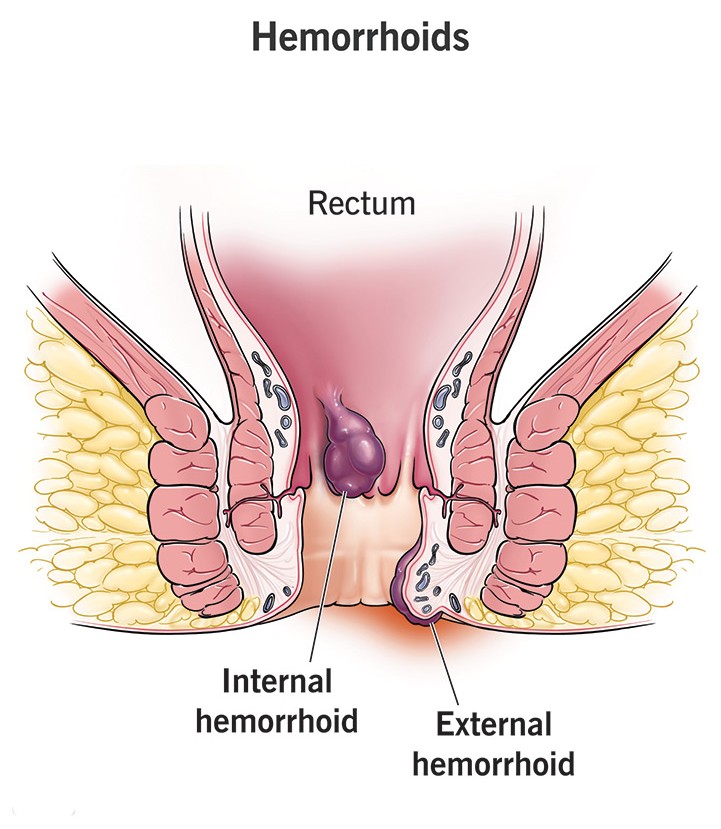
Hemorrhiod
តើជំងឺឬសដូងបាតជាអ្វី?
ជំងឺឬសដូងបាតគឺជាសរសៃឈាមវ៉ែនដែលហើម និងរីកធំ ដែលបង្កើតឡើងនៅខាងក្នុង និងខាងក្រៅរន្ធគូថ និងរន្ធគូថរបស់អ្នក។ វាអាចឈឺចាប់ និងមិនស្រួល និងបណ្តាលឱ្យហូរឈាម។ ជំងឺឬសដូងបាតក៏ត្រូវបានគេហៅថាជំងឺឬសដូងបាតផងដែរ។
យើងទាំងអស់គ្នាកើតមកមានជំងឺឬសដូងបាត ប៉ុន្តែជាធម្មតាវាមិនរំខានយើងទេ។ មានតែពេលដែលវាហើម និងរីកធំប៉ុណ្ណោះ ទើបវាបង្កើតរោគសញ្ញារំខាន។
ជនជាតិអាមេរិកប្រហែល 1 នាក់ក្នុងចំណោម 20 នាក់មានជំងឺឬសដូងបាតដែលរំខាន។ ពួកវាប៉ះពាល់ដល់មនុស្សគ្រប់វ័យ ពូជសាសន៍ និងជនជាតិ។ ពួកវាកើតមានច្រើននៅពេលអ្នកចាស់ទៅ ដែលប៉ះពាល់ដល់មនុស្សជាងពាក់កណ្តាលដែលមានអាយុលើសពី 50 ឆ្នាំ។
ប្រភេទនៃជំងឺឬសដូងបាត
ជំងឺឬសដូងបាតអាចកើតឡើងនៅខាងក្នុង ឬខាងក្រៅរន្ធគូថរបស់អ្នក។ ប្រភេទអាស្រ័យលើកន្លែងដែលសរសៃឈាមវ៉ែនហើមវិវត្ត។ ប្រភេទរួមមាន៖
- ខាងក្នុង។សរសៃឈាមវ៉ែនហើមបង្កើតនៅខាងក្នុងរន្ធគូថរបស់អ្នក។ ឬសដូងបាតខាងក្នុងអាចហូរឈាម ប៉ុន្តែជាធម្មតាវាមិនឈឺចាប់ទេ។
- ខាងក្រៅ។ សរសៃឈាមវ៉ែនហើមបង្កើតនៅក្រោមស្បែកជុំវិញរន្ធគូថរបស់អ្នក។ រន្ធគូថរបស់អ្នកគឺជារន្ធដែលលាមករបស់អ្នកចេញមក។ ឬសដូងបាតខាងក្រៅអាចរមាស់ និងឈឺចាប់។ ពេលខ្លះវាហូរឈាម។ ជាធម្មតាអ្នកអាចមើលឃើញ ឬមានអារម្មណ៍ថាឬសដូងបាតខាងក្រៅ។
- លៀនចេញ។ ឬសដូងបាតខាងក្នុងអាចលៀនចេញ ឬហើមនៅខាងក្រៅរន្ធគូថរបស់អ្នក។ ឬសដូងបាតទាំងនេះអាចហូរឈាម ឬបណ្តាលឱ្យឈឺចាប់។
- ដុំឈាមកក។ កំណកឈាមបង្កើតនៅក្នុងឬសដូងបាតខាងក្រៅ។ ប្រភេទទាំងនេះជាធម្មតាឈឺចាប់ និងបណ្តាលឱ្យមានដុំពណ៌ស្វាយ/ខៀវបង្កើតនៅខាងក្រៅរន្ធគូថរបស់អ្នក។ (កំណកឈាមនេះប៉ះពាល់តែរន្ធគូថរបស់អ្នកប៉ុណ្ណោះ ហើយមិនផ្លាស់ទីទៅផ្នែកផ្សេងទៀតនៃរាងកាយរបស់អ្នកទេ។)
តើអ្វីទៅជារោគសញ្ញានៃជំងឺឬសដូងបាត?
ជំងឺឬសដូងបាតខាងក្នុងកម្រនឹងបណ្តាលឱ្យមានការឈឺចាប់ណាស់ (ហើយជាធម្មតាមិនអាចមានអារម្មណ៍) លុះត្រាតែវាធ្លាក់ចេញ។ មនុស្សជាច្រើនដែលមានជំងឺឬសដូងបាតខាងក្នុងមិនដឹងថាពួកគេមានវាទេ ព្រោះវាស្ថិតនៅក្នុងរន្ធគូថរបស់អ្នក។ ប្រសិនបើអ្នកមានរោគសញ្ញានៃជំងឺឬសដូងបាតខាងក្នុង អ្នកប្រហែលជាឃើញឈាមពណ៌ក្រហមភ្លឺនៅលើក្រដាសបង្គន់ នៅក្នុងលាមករបស់អ្នក ឬនៅក្នុងបង្គន់។ ប្រសិនបើជំងឺឬសដូងបាតខាងក្នុងធ្លាក់តាមរន្ធគូថរបស់អ្នក អ្នកប្រហែលជាអាចរុញវាត្រឡប់ទៅខាងក្នុងវិញដោយថ្នមៗ។
ជំងឺឬសដូងបាតខាងក្រៅមានទំនោរគួរឱ្យកត់សម្គាល់ជាងបន្តិច ព្រោះវាកើតឡើងនៅខាងក្រៅរន្ធគូថរបស់អ្នក។ សញ្ញា និងរោគសញ្ញានៃជំងឺឬសដូងបាតខាងក្រៅរួមមាន៖
- រមាស់ ឬរលាកជុំវិញរន្ធគូថរបស់អ្នក
- ដុំរឹងនៅជិតរន្ធគូថរបស់អ្នកដែលមានអារម្មណ៍ឈឺ ឬទន់
- ឈឺចាប់ ឬឈឺចុកចាប់ក្នុងរន្ធគូថរបស់អ្នក ជាពិសេសនៅពេលអ្នកអង្គុយ
- ហូរឈាមនៅពេលអ្នកជូត
ជំងឺឬសដូងបាតដែលកកកុញ គឺជាពេលដែលឈាមហូរចូលទៅក្នុងឬសដូងបាតខាងក្រៅ។ នេះអាចបណ្តាលឱ្យមានរោគសញ្ញាស្រដៀងគ្នាដូចជាហើម រលាក និងឈឺចាប់ ប៉ុន្តែជាធម្មតាវាធ្ងន់ធ្ងរ និងភ្លាមៗជាង។
តើឬសដូងបាតមើលទៅដូចអ្វី?
ឬសដូងបាតមើលទៅខុសគ្នាអាស្រ័យលើប្រភេទ។ អ្នកនឹងមិនឃើញឬសដូងបាតខាងក្នុងទេ លុះត្រាតែវាលេចចេញមក (លៀនចេញ)។ ជំងឺឬសដូងបាតខាងក្នុងដែលលៀនចេញជាធម្មតាគឺជាដុំតូចមួយនៅជុំវិញរន្ធគូថរបស់អ្នក ដែលអ្នកអាចរុញចូលវិញបាន។
ជំងឺឬសដូងបាតខាងក្រៅដែលមិនមានដុំពក ជាធម្មតាមានពណ៌ដូចស្បែករបស់អ្នក។ ពួកវាទន់ពេលប៉ះ ហើយអ្នកមិនអាចរុញវាចូលវិញបានទេ។ ជំងឺឬសដូងបាតខាងក្រៅដែលមានដុំពកអាចលេចឡើងជាពណ៌ខៀវ ខ្មៅ ឬពណ៌ស្វាយ ហើយរឹងពេលប៉ះ។ ជារឿយៗវាឈឺចាប់ជាង។
សូមចងចាំថាមិនមែនដុំពកទាំងអស់សុទ្ធតែជាជំងឺឬសដូងបាតនោះទេ។ វាជាការសំខាន់ក្នុងការទាក់ទងអ្នកផ្តល់សេវាថែទាំសុខភាពសម្រាប់ការធ្វើរោគវិនិច្ឆ័យ។
អ្វីដែលបណ្តាលឱ្យមានជំងឺឬសដូងបាត?
សម្ពាធច្រើនពេកលើសរសៃឈាមវ៉ែននៅក្នុងរន្ធគូថ ឬរន្ធគូថរបស់អ្នក ក៏ដូចជាចលនាពោះវៀនមិនទៀងទាត់ បណ្តាលឱ្យមានជំងឺឬសដូងបាត។ សម្ពាធ និងការរលាកនេះនាំឱ្យហើម និងរលាកសរសៃឈាមវ៉ែនរបស់អ្នក។ សកម្មភាព ឬស្ថានភាពមួយចំនួនដែលបណ្តាលឱ្យមានសម្ពាធ និងនាំឱ្យ (ឬកាន់តែអាក្រក់ទៅៗ) ជំងឺឬសដូងបាតគឺ៖
- រុញខ្លាំងៗដើម្បីបន្ទោរបង់ (លាមក)
- ខំប្រឹងលើកវត្ថុធ្ងន់ៗ ឬលើកទម្ងន់
- អង្គុយលើបង្គន់រយៈពេលយូរ
- ទល់លាមករ៉ាំរ៉ៃ ឬរាគ
- ញ៉ាំអាហារដែលមានជាតិសរសៃទាប
- មានផ្ទៃពោះ
- ធាត់/ធាត់ជ្រុល
- រួមភេទតាមរន្ធគូថ
តើអ្វីទៅជាផលវិបាកនៃជំងឺឬសដូងបាត?
ជំងឺឬសដូងបាតអាចមិនស្រួល និងឈឺចាប់ ប៉ុន្តែវាមិនងាយបង្កបញ្ហាធ្ងន់ធ្ងរនោះទេ។ កម្រណាស់ អ្នកដែលមានជំងឺឬសដូងបាតវិវត្តន៍៖
- ភាពស្លេកស្លាំង
- កំណកឈាមក្នុងជំងឺឬសដូងបាតខាងក្រៅ (ស្ទះ)
- ការឆ្លងមេរោគ
- ស្លាកស្បែក
- ជំងឺឬសដូងបាតដែលច្របាច់ (សាច់ដុំនៅក្នុងរន្ធគូថកាត់ផ្តាច់លំហូរឈាមទៅកាន់ជំងឺឬសដូងបាតខាងក្នុងដែលលៀនចេញ)
តើជំងឺឬសដូងបាតត្រូវបានធ្វើរោគវិនិច្ឆ័យយ៉ាងដូចម្តេច?
អ្នកផ្តល់សេវាថែទាំសុខភាពធ្វើរោគវិនិច្ឆ័យជំងឺឬសដូងបាតដោយផ្អែកលើរោគសញ្ញា និងការពិនិត្យរាងកាយ។ ពួកគេអាចមើលឃើញជំងឺឬសដូងបាតខាងក្រៅ ឬជំងឺឬសដូងបាតដែលលៀនចេញ ដោយគ្រាន់តែមើល។ អ្នកក៏អាចមាន៖
- ការពិនិត្យរន្ធគូថតាមឌីជីថល។ អ្នកផ្តល់សេវារបស់អ្នកបញ្ចូលម្រាមដៃដែលមានស្រោមដៃ និងរំអិលចូលទៅក្នុងរន្ធគូថរបស់អ្នក ដើម្បីស្ទាបរកសរសៃឈាមវ៉ែនហើម។
- ការពិនិត្យរន្ធគូថតាមរន្ធគូថ។ អ្នកផ្តល់សេវារបស់អ្នកប្រើឧបករណ៍ anoscope (បំពង់ដែលមានពន្លឺនៅចុង) ដើម្បីមើលស្រទាប់ខាងក្នុងនៃរន្ធគូថ និងរន្ធគូថរបស់អ្នក។
- Sigmoidoscopy។ អ្នកផ្តល់សេវារបស់អ្នកប្រើ sigmoidoscope (បំពង់ដែលមានពន្លឺជាមួយកាមេរ៉ា) ដើម្បីមើលផ្នែកខាងក្នុងផ្នែកខាងក្រោមនៃពោះវៀនធំ និងរន្ធគូថរបស់អ្នក។ ប្រភេទនៃនីតិវិធីរួមមាន sigmoidoscopy ដែលអាចបត់បែនបាន និង sigmoidoscopy រឹង។
ការធ្វើតេស្តទាំងនេះអាចមិនស្រួល ប៉ុន្តែវាមិនឈឺចាប់ទេ។ ជាធម្មតាវាធ្វើឡើងនៅក្នុងការិយាល័យរបស់អ្នកផ្តល់សេវារបស់អ្នក។ sigmoidoscopy អាចធ្វើឡើងនៅមជ្ឈមណ្ឌលអ្នកជំងឺក្រៅដោយមាន ឬគ្មានការប្រើថ្នាំសណ្តំ (twilight)។ អ្នកត្រឡប់ទៅផ្ទះវិញនៅថ្ងៃដដែល។
តើខ្ញុំអាចព្យាបាលជំងឺឬសដូងបាតនៅផ្ទះដោយរបៀបណា?
ជំងឺឬសដូងបាតតូចៗច្រើនតែបាត់ទៅវិញដោយការញ៉ាំជាតិសរសៃច្រើន និងការផ្លាស់ប្តូរទម្លាប់បង្គន់របស់អ្នក។ រោគសញ្ញាដូចជាការឈឺចាប់ និងការហូរឈាមអាចមានរយៈពេលមួយសប្តាហ៍ ឬយូរជាងនេះបន្តិច។ ក្នុងពេលជាមួយគ្នានេះ អ្នកអាចអនុវត្តតាមជំហានទាំងនេះ ដើម្បីជួយបន្ធូរបន្ថយរោគសញ្ញារបស់អ្នក៖
- លាបថ្នាំដែលមិនត្រូវការវេជ្ជបញ្ជា ដែលមានផ្ទុកសារធាតុ lidocaine, witch hazel ឬ hydrocortisone ទៅលើកន្លែងដែលរងផលប៉ះពាល់។
- ផឹកទឹកឱ្យបានច្រើន។
- បង្កើនបរិមាណជាតិសរសៃដែលអ្នកញ៉ាំ ឬលេបថ្នាំបំប៉នជាតិសរសៃ។
- ត្រាំក្នុងអាងងូតទឹកក្តៅឧណ្ហៗ (sitz bath) រយៈពេល 10 ទៅ 20 នាទីក្នុងមួយថ្ងៃ។
- ធ្វើឱ្យលាមកទន់ដោយលេបថ្នាំបញ្ចុះលាមក។
- លេបថ្នាំប្រឆាំងការរលាកដែលមិនមែនជាស្តេរ៉ូអ៊ីត (NSAIDs) សម្រាប់ការឈឺចាប់ និងការរលាក។
- ប្រើក្រដាសបង្គន់ជាមួយឡេ ឬក្រណាត់សើមដែលអាចលាងសម្អាតបាន ដើម្បីជូត និងសម្អាតគូទរបស់អ្នកបន្ទាប់ពីបត់ជើងតូច។ អ្នកក៏អាចប្រើក្រដាសជូតមាត់ ឬក្រណាត់សើមជាមួយទឹកផងដែរ។
តើអ្នកផ្តល់សេវាថែទាំសុខភាពព្យាបាលជំងឺឬសដូងបាតដោយរបៀបណា?
អ្នកគួរតែទៅជួបអ្នកផ្តល់សេវាថែទាំសុខភាពរបស់អ្នក ប្រសិនបើរោគសញ្ញាកាន់តែអាក្រក់ ឬរំខានដល់ជីវិតប្រចាំថ្ងៃ ឬការគេងរបស់អ្នក។ ដូចគ្នានេះដែរ សូមស្វែងរកជំនួយ ប្រសិនបើសញ្ញាមិនប្រសើរឡើងបន្ទាប់ពីការព្យាបាលនៅផ្ទះរយៈពេលមួយសប្តាហ៍។ អ្នកផ្តល់សេវារបស់អ្នកអាចព្យាបាលជំងឺឬសដូងបាតជាមួយ៖
- ការចងខ្សែកៅស៊ូ។ អ្នកផ្តល់សេវារបស់អ្នកដាក់ខ្សែតូចមួយជុំវិញគល់ឬសដូងបាត ដើម្បីកាត់ផ្តាច់ការផ្គត់ផ្គង់ឈាមទៅកាន់សរសៃឈាមវ៉ែន។
- ការកកឈាមដោយអគ្គិសនី។ ចរន្តអគ្គិសនីបញ្ឈប់លំហូរឈាមទៅកាន់ឬសដូងបាត។
- ការកកឈាមដោយអ៊ីនហ្វ្រារ៉េដ។ ឧបករណ៍ស៊ើបអង្កេតតូចមួយនៅក្នុងរន្ធគូថរបស់អ្នកបញ្ចេញកំដៅ ដើម្បីកម្ចាត់ឬសដូងបាត។
- ការព្យាបាល Sclerotherapy។ អ្នកផ្តល់សេវារបស់អ្នកចាក់ថ្នាំគីមីចូលទៅក្នុងសរសៃឈាមវ៉ែនដែលហើមដើម្បីបំផ្លាញជាលិកាឬសដូងបាត។
ការព្យាបាលដោយការវះកាត់រួមមាន៖
- ការវះកាត់យកឬសដូងបាតចេញ។ ការវះកាត់យកឬសដូងបាតខាងក្រៅធំៗ ឬឬសដូងបាតខាងក្នុងដែលលៀនចេញ។
- ការបំបែកឬសដូងបាតតាមរន្ធគូថ (THD)។ ឬសដូងបាតខាងក្នុងត្រូវបានចងចេញ ហើយទាញចូលទៅក្នុងរន្ធគូថរបស់អ្នកវិញដោយថ្នេរ។
- ការដេរឬសដូងបាត។ ឧបករណ៍ដេរនឹងយកឬសដូងបាតខាងក្នុងចេញ។ ឬវាទាញឬសដូងបាតខាងក្នុងដែលលៀនចេញត្រឡប់ទៅក្នុងរន្ធគូថរបស់អ្នកវិញ ហើយសង្កត់វានៅទីនោះ។
តើខ្ញុំអាចការពារឬសដូងបាតដោយរបៀបណា?
ឬសដូងបាតគឺជារឿងធម្មតា ហើយអ្នកមិនអាចការពារវាបានគ្រប់ពេលនោះទេ។ ប៉ុន្តែជំហានទាំងនេះអាចជួយកាត់បន្ថយហានិភ័យនៃលាមករឹង និងទល់លាមក ដែលអាចនាំឱ្យមានជំងឺឬសដូងបាត៖
- កុំអង្គុយយូរពេក ឬរុញខ្លាំងពេកលើបង្គន់។
- ទៅបង្គន់នៅពេលដែលមានការចង់បត់ជើងធំ កុំរង់ចាំ ឬទប់វាទុក។
- ផឹកទឹកឱ្យបានច្រើនពេញមួយថ្ងៃ។
- រក្សាលាមករបស់អ្នកឱ្យទន់ និងមានរាង។ ញ៉ាំអាហារដែលមានជាតិសរសៃខ្ពស់បន្ថែមទៀត (ផ្លែឈើស្រស់ បន្លែ និងគ្រាប់ធញ្ញជាតិទាំងមូល) ឬលេបថ្នាំបំប៉នជាតិសរសៃ។ ជាទូទៅ ជាតិសរសៃ 25 ទៅ 38 ក្រាមគឺគ្រប់គ្រាន់សម្រាប់មនុស្សពេញវ័យភាគច្រើន។
- រក្សាភាពសកម្ម។ ការដើរលេងជួយរក្សាចលនាពោះវៀន។
- លេបថ្នាំបញ្ចុះលាមក ឬប្រើថ្នាំបញ្ចុះលាមកតាមការណែនាំរបស់អ្នកផ្តល់សេវាថែទាំសុខភាពរបស់អ្នក។ ថ្នាំបញ្ចុះលាមក ឬថ្នាំបញ្ចុះលាមកច្រើនពេកអាចធ្វើឱ្យរាងកាយរបស់អ្នកពិបាកគ្រប់គ្រងរបៀបដែលអ្នកបត់ជើងតូច។
What are hemorrhoids?
Hemorrhoids are swollen, enlarged veins that form inside and outside of your anus and rectum. They can be painful and uncomfortable and cause bleeding. Hemorrhoids are also called piles.
We’re all born with hemorrhoids, but they typically don’t bother us. It’s only when they swell and enlarge that they produce irritating symptoms.
An estimated 1 in 20 Americans have hemorrhoids that are bothersome. They affect people of all ages, races and ethnicities. They’re more common as you age, affecting more than half of people over age 50.
Types of hemorrhoids
Hemorrhoids can happen inside or outside of your rectum. The type depends on where the swollen vein develops. Types include:
- Internal. Swollen veins form inside your rectum. Internal hemorrhoids may bleed, but they usually aren’t painful.
- External. Swollen veins form underneath the skin around your anus. Your anus is the hole where your poop comes out. External hemorrhoids can be itchy and painful. Occasionally, they bleed. You can usually see or feel external hemorrhoids.
- Prolapsed. Internal hemorrhoids can prolapse or bulge outside of your anus (butthole). These hemorrhoids may bleed or cause pain.
- Thrombosed. A blood clot forms in an external hemorrhoid. These types are usually painful and cause a purple/blue lump to form outside of your anus. (This clot only affects your anus and doesn’t move to other parts of your body.)
What are the symptoms of hemorrhoids?
Internal hemorrhoids rarely cause pain (and typically can’t be felt) unless they prolapse. Many people with internal hemorrhoids don’t know they have them because they’re inside your rectum. If you have symptoms of internal hemorrhoids, you might see bright red blood on toilet paper, in your poop or in the toilet. If an internal hemorrhoid prolapses through your anus, you may be able to gently push it back inside.
External hemorrhoids tend to be a little more noticeable because they happen outside your anus. Signs and symptoms of external hemorrhoids include:
- Itchiness or irritation around your anus
- Hard lumps near your anus that feel sore or tender
- Pain or ache in your anus, especially when you sit
- Bleeding when you wipe
A thrombosed hemorrhoid is when blood pools inside an external hemorrhoid. This can cause similar symptoms like swelling, inflammation and pain, but it’s typically much more severe and sudden.
What does a hemorrhoid look like?
Hemorrhoids look different depending on the type. You won’t see an internal hemorrhoid unless it protrudes (prolapses). A prolapsed internal hemorrhoid is usually a small lump around your butthole that you can push back in.
Non-thrombosed external hemorrhoids are usually the color of your skin. They’re soft to the touch and you can’t push them back in. Thrombosed external hemorrhoids may appear blue, black or purple and be firmer to touch. They’re often more painful.
Keep in mind that not all lumps are hemorrhoids. It’s important to contact a healthcare provider for a diagnosis.
What causes hemorrhoids?
Too much pressure on the veins in your anus or rectum, as well as irregular bowel movements, cause hemorrhoids. This pressure and irritation lead to swelling and inflammation of your veins.
Some activities or conditions that cause pressure and lead to (or worsen) hemorrhoids are:
- Pushing hard to have a bowel movement (poop)
- Straining to lift heavy objects or weightlifting
- Sitting on the toilet for long periods of time
- Having chronic constipation or diarrhea
- Eating a low-fiber diet
- Being pregnant
- Having overweight/obesity
- Having anal intercourse
What are the complications of hemorrhoids?
Hemorrhoids can be uncomfortable and painful, but they don’t tend to cause serious problems. Rarely, people with hemorrhoids develop:
- Anemia
- Blood clots in external hemorrhoids (thrombosed)
- Infection
- Skin tags
- Strangulated hemorrhoids (muscles in the anus cut off blood flow to a prolapsed internal hemorrhoid)
How are hemorrhoids diagnosed?
A healthcare provider diagnoses hemorrhoids based on symptoms and a physical exam. They may be able to see an external hemorrhoid or a prolapsed hemorrhoid just by looking. You may also have:
- Digital rectal exam. Your provider inserts a gloved, lubricated finger into your rectum to feel for swollen veins.
- Anoscopy. Your provider uses an anoscope (tube with light at the end) to view the lining of your anus and rectum.
- Sigmoidoscopy. Your provider uses a sigmoidoscope (lighted tube with a camera) to view inside the lower part of your colon and rectum. Procedure types include flexible sigmoidoscopy and rigid sigmoidoscopy.
These tests may be uncomfortable, but they aren’t painful. They typically take place in your provider’s office. A sigmoidoscopy may take place at an outpatient center with or without (twilight) anesthesia. You go home the same day.
How can I treat hemorrhoids at home?
Smaller hemorrhoids often go away with eating more fiber and changes to your toilet habits. Symptoms like pain and bleeding may last one week or slightly longer. In the meantime, you can take these steps to help ease your symptoms:
- Apply over-the-counter medications containing lidocaine, witch hazel or hydrocortisone to the affected area.
- Drink more water.
- Increase how much fiber you eat or take fiber supplements.
- Soak in a warm bath (sitz bath) for 10 to 20 minutes a day.
- Soften stool by taking laxatives.
- Take nonsteroidal anti-inflammatory drugs(NSAIDs) for pain and inflammation.
- Use toilet paper with lotion or flushable wet wipes to pat and clean your bottom after pooping. You can also use a tissue or washcloth moistened with water.
How do healthcare providers treat hemorrhoids?
You should see your healthcare provider if symptoms get worse or interfere with your daily life or sleep. Also, seek help if signs don’t improve after a week of at-home treatments. Your provider may treat hemorrhoids with:
- Rubber band ligation. Your provider places a small band around the base of a hemorrhoid to cut off blood supply to the vein.
- Electrocoagulation. An electric current stops blood flow to a hemorrhoid.
- Infrared coagulation. A small probe in your rectum releases heat to get rid of the hemorrhoid.
- Sclerotherapy. Your provider injects a chemical into the swollen vein to destroy hemorrhoid tissue.
Surgical treatments include:
- Hemorrhoidectomy. Surgery removes large external hemorrhoids or prolapsed internal ones.
- Transanal hemorrhoidal dearterization (THD). Internal hemorrhoids are tied off and pulled back into your rectum with sutures.
- Hemorrhoid stapling. A stapling instrument removes an internal hemorrhoid. Or it pulls a prolapsed internal hemorrhoid back inside your anus and holds it there.
How can I prevent hemorrhoids?
Hemorrhoids are common and you can’t always prevent them. But these steps can help reduce your risk of hard stools and constipation that can lead to hemorrhoids:
- Don’t sit too long or push too hard on the toilet.
- Go to the toilet when the urge hits — don’t wait or hold it in.
- Drink plenty of water throughout the day.
- Keep your stool soft and formed. Eat more high-fiber foods (fresh fruits, vegetables and whole grains) or take fiber supplements. Generally, 25 to 38 grams of fiber is enough for most adults.
- Stay active. Being on the move keeps bowels moving.
- Take laxatives or use enemas only as recommended by your healthcare provider. Too many laxatives or enemas can make it hard for your body to regulate how you poop.